

The Mid-Year Skills Crisis
July is when most frontline managers realize their teams won't hit Q3 targets without closing specific skill gaps. For frontline teams skills gap assessment, this moment demands immediate action before peak season planning locks resource availability.
Q3 peak season planning begins in late August
By late August, most frontline organizations finalize their Q3 peak season schedules, leaving little room to address skill gaps discovered in July. Teams that train through a single method—either self-directed learning for frontline employees or instructor-led sessions alone—take 40% longer to close critical performance deficits than those blending both approaches. This delay compounds quickly when seasonal volume hits and undertrained employees struggle with high-stakes tasks under pressure.
July audits reveal which skill deficits
Mid-month performance reviews and customer feedback reports surface the specific gaps—handling returns, cross-selling, shift handoffs—that will undermine Q4 staffing plans if left unaddressed through August.
Frontline Teams Skills Gap Audit Framework
A practical audit starts by mapping what your team can do today against what Q3 and Q4 will require. For a retail supervisor, that means checking whether cashiers handle returns correctly, whether associates cross-sell during checkout, and whether everyone executes the shift handoff protocol. In hospitality, it means watching whether front-desk staff resolve guest complaints without escalation. In logistics, it means measuring route optimization decisions and load-sequencing accuracy.
Once you've observed current performance against job standards, categorize each gap. Critical gaps touch safety or compliance—forklift certification lapses, food-handling mistakes. High-impact gaps affect revenue or efficiency—point-of-sale errors that slow transactions, guest communication failures that generate complaints. Development gaps support career progression—leadership readiness, advanced troubleshooting. This categorization determines which gaps need immediate instructor-led intervention and which suit self-directed learning modules.
The audit output feeds directly into training design decisions.
Critical and high-impact gaps typically require hands-on practice with observation and feedback. Development gaps often work well with video modules and knowledge checks.Completing this skill gap analysis in July gives you the 90-day window to close gaps before Q4 peak planning locks your team's availability.

Blended Training Design: Self-Directed + Structured Programs
The fastest skill development happens when you pair the right method with the task. Self-directed learning suits skills with clear procedures, existing knowledge, and flexible schedules—compliance modules, product knowledge refreshers, and soft skills basics that employees can complete between shifts. Structured training programs frontline staff—instructor-led sessions, peer mentoring, job shadowing—work best for complex decision-making, safety-critical tasks, and interpersonal skills that require real-time feedback.
Retail teams close product knowledge gaps faster when microlearning modules prime employees with features and benefits, then floor coaching turns that information into confident customer conversations. Hospitality operations pair guest-handling simulations with shadowing experienced staff during difficult check-ins. Logistics teams complete safety procedure e-learning, then run hands-on drills with supervisors watching for proper technique.
The decision matrix is simple: use self-directed methods when mastery can be verified through knowledge checks and procedures are documented; choose structured training when judgment calls, physical tasks, or customer interactions define success. Pairing both—microlearning modules plus weekly team debriefs, simulations plus on-the-job coaching—accelerates competency and retention because employees learn the what independently and practice the how with guidance.
Building Your 90-Day Development Plan
A practical timeline turns July's audit findings into action. The implementation schedule includes:
- July belongs to diagnosis—complete skill reviews by mid-month and select training resources by month-end.
- August launches implementation: assign self-directed modules (POS workflows, guest recovery scripts, route-planning tutorials) paired with peer mentors who check completion weekly. Retail teams might dedicate Tuesday mornings to customer-service microlearning; hospitality supervisors could reserve Friday afternoons for upsell role-play; logistics leads might block Monday check-ins for safety-protocol reviews.
- September closes the loop with competency reviews before Q4 peak planning begins, confirming teams can execute what they learned under real conditions.
Allocate 15 to 30 minutes per week on shift for formal training—enough to maintain momentum without overwhelming daily operations. Supervisors track progress through brief observation sessions: watch a cashier handle a return after completing the module, listen to a front-desk agent apply the new greeting technique, ride along as a driver navigates the optimized route.
Measuring Progress and Competency Gain
Track completion rates—how many self-directed modules each employee finished, how many training hours they attended—alongside competency assessments: skills tests, supervisor evaluations, and on-floor performance during real shifts.
Completion tells you someone showed up; competency tells you they can actually do the work.
Benchmark progress against Q3 baseline metrics. In retail, that might be POS accuracy, customer satisfaction scores, or transaction time. In hospitality, watch guest complaint reduction, upsell rate, and staff retention. Logistics teams track delivery accuracy, safety incidents, and route efficiency. The numbers tell you whether training is closing the skills gap or just filling time.
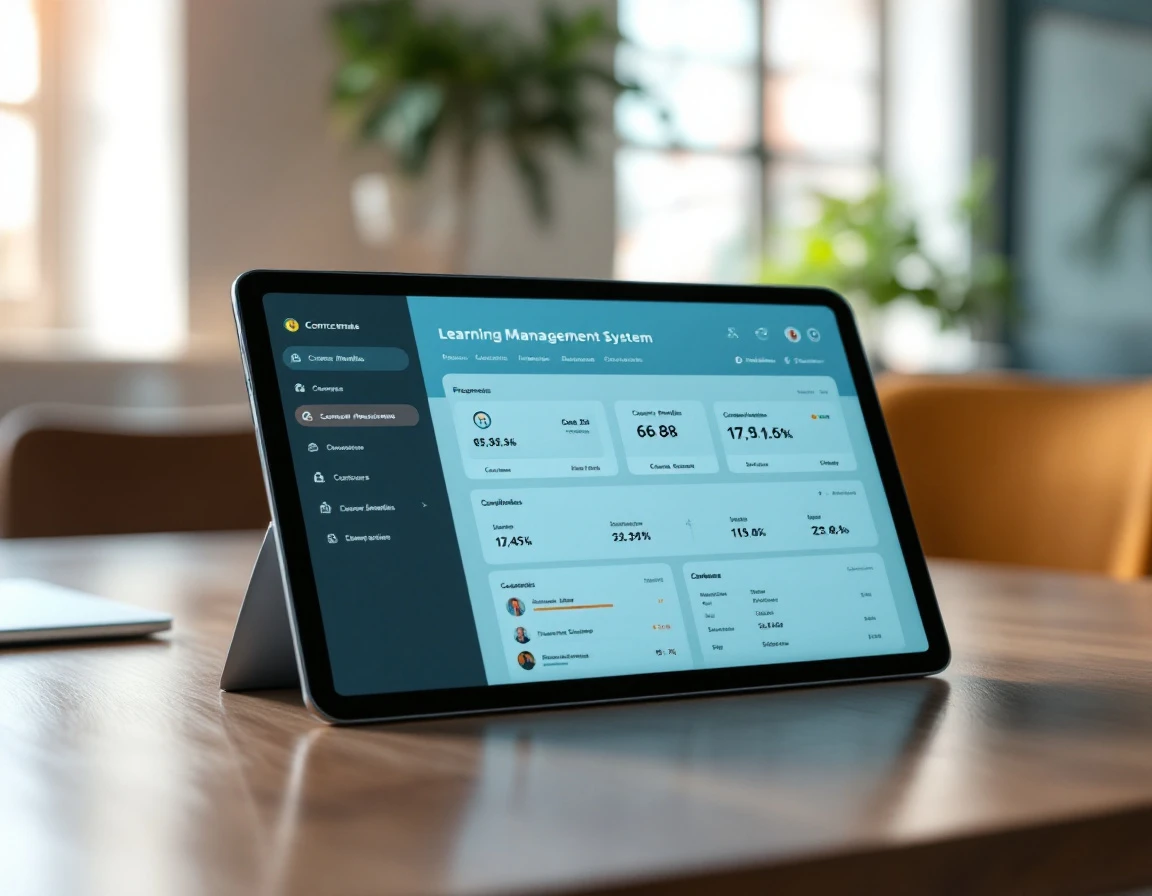
Mid-August and mid-September check-ins catch training gaps early, before Q4 peak season arrives. These check-ins allow adjustment—extra observation time for struggling employees, different self-directed modules for common mistake patterns—turning measurement into a planning tool rather than an end-of-plan report card. An LMS or simple tracking spreadsheet automates reporting and reduces manager burden, keeping the focus on coaching instead of data entry.

Next Steps: Implementation in July
Start the audit this week: identify three to five priority skill gaps in your team and assess whether each suits self-directed learning or structured observation. Select training resources that integrate with your existing LMS or tracking system so completion data flows cleanly and managers can monitor progress without manual updates.
Schedule kick-off meetings with team leaders and set clear expectations for the 90-day plan, including mid-August and mid-September check-in dates. The July-to-September timeline positions your team to enter Q4 peak season with measurable competency gains and reduced turnover risk.
See how PrepPuffin supports blended training delivery with learning paths, observation checklists, and progress tracking designed for frontline teams. Get started with PrepPuffin today.