
Keeping Your Team Safe and Prepared: Opioid Reversal Training
Yes, regulators expect your organization to prepare staff for opioid emergencies. OSHA guidance now frames naloxone access and overdose response as part of employer duty-of-care. While state naloxone access laws expand standing orders that allow organizations to stock reversal medication without individual prescriptions. But beyond compliance—your team gains the confidence and skills to respond when someone needs help. For customer-facing and field-based teams working in high-opioid-prevalence regions, opioid reversal training for employees builds this critical capability—workplace overdose incidents involving employees, visitors, and the public continue to climb, and trained staff can make the difference.
Documented opioid reversal training shows your team is prepared to respond confidently when minutes matter. When staff know what to look for and how to act, they can help protect colleagues and customers in an emergency. Clear records show which team members are trained and confident in opioid reversal—so when an emergency happens, your organization can demonstrate it prepared people to act, not just react.That preparation matters during safety audits and if questions arise later.
The September-to-December 2026 window aligns with year-end safety preparedness cycles. Giving operations and training managers a natural deadline to finalize opioid reversal certification programs before Q4 audits and 2027 budgets lock.
Workplace Naloxone Training Programs and Opioid Reversal Program Architecture
A functional workplace naloxone training program rests on three pillars: trained staff, accessible medication, and clear emergency protocols. Start by identifying who needs training—customer-facing employees, field personnel working in isolated locations, and office staff stationed near high-risk areas such as public restrooms or loading docks. These roles form your first line of response when minutes matter.
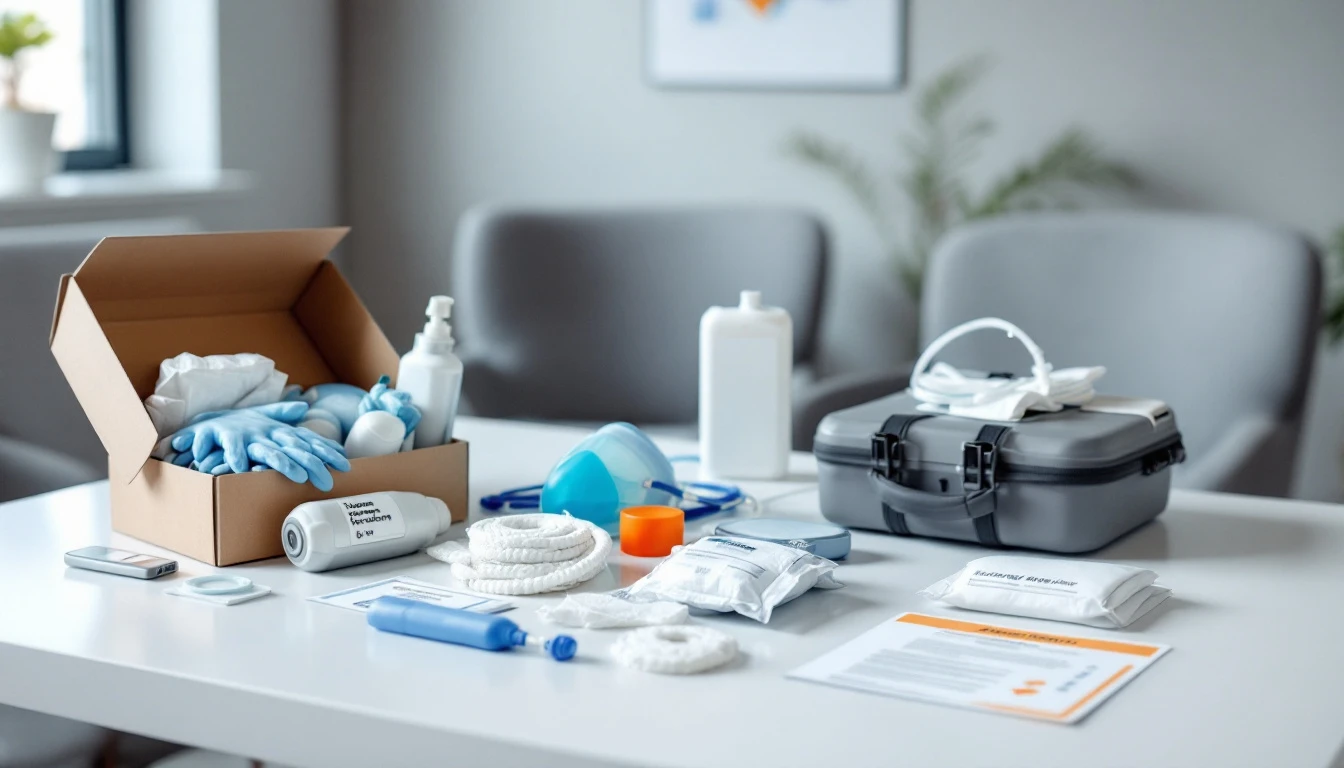
Naloxone kits belong where people gather and where overdoses are most likely to occur: break rooms, first-aid stations, security desks, and site supervisor vehicles. Storage locations should appear on facility maps and in onboarding materials so every employee knows where to find them. Training must cover overdose recognition (unresponsiveness, shallow breathing, blue lips), nasal spray administration technique, and immediate dispatch of emergency services. The call to 911 happens first—naloxone buys time until paramedics arrive.
Documentation separates a program from a good intention. A written policy defines roles, kit locations, and escalation steps. Staff sign training acknowledgments. Incident logs capture every deployment for audit review and to show your program works. Link the program to your existing workplace safety and incident reporting systems so naloxone response integrates with injury logs, safety committee reviews, and compliance audits rather than sitting in a separate binder.

Opioid Overdose Recognition
Speed matters in overdose response because respiratory depression can progress to cardiac arrest within minutes. Train employees to recognize three cardinal signs:
- shallow or absent breathing
- unresponsiveness to voice or touch
- pale or blue-tinged skin (cyanosis)
Environmental cues help staff act before a crisis becomes critical. A customer slumped in a retail bathroom, an employee found unconscious in a warehouse break room, or someone non-responsive in a loss-prevention holding area all demand immediate assessment. Look for gurgling or snoring respirations, limp posture, and inability to wake with a firm shoulder shake—these distinguish overdose from fainting, diabetic emergency, or seizure aftereffects, which typically involve different breathing patterns or partial responsiveness.
Naloxone Administration Procedures
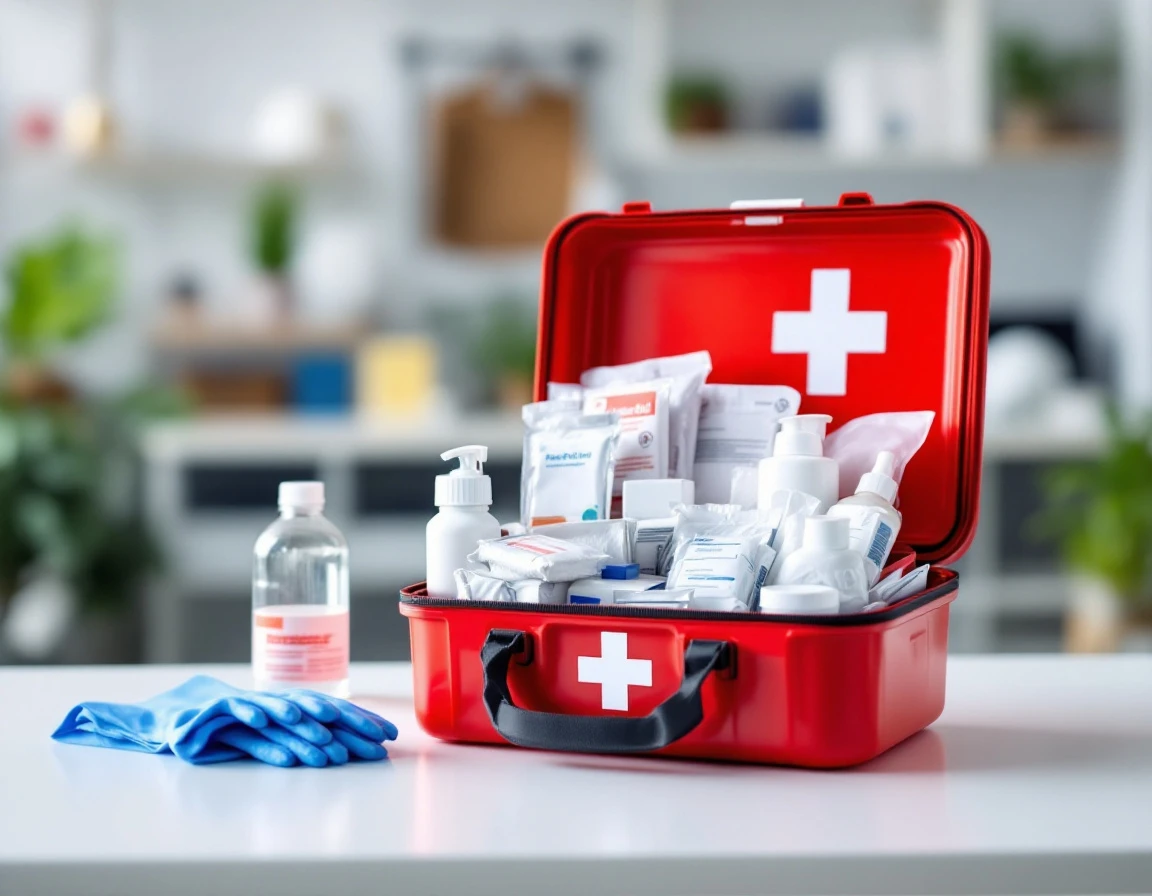
Intranasal naloxone, the most common workplace formulation, delivers one spray per nostril. Remove the device from its packaging, tilt the person's head back slightly, insert the nozzle into one nostril until your fingers touch the nose, and press the plunger firmly. If no response occurs within two to three minutes—breathing doesn't restart or the person remains unresponsive—administer a second dose in the opposite nostril using a fresh device.
Call 911 immediately, even before you give naloxone. Tell the dispatcher you suspect an opioid overdose, describe the person's breathing and consciousness level, and confirm naloxone has been or will be administered. Good Samaritan laws protect bystanders who provide emergency assistance in good faith, including naloxone administration, from most civil liability.
After reversal, place the person in the recovery position—on their side with the top leg bent and head supported—to prevent airway obstruction if they vomit. Monitor breathing and responsiveness until paramedics arrive; naloxone's effects can wear off before the opioid does, causing relapse.
Substance Abuse Prevention Integration and Workplace Harm Reduction Training
Opioid reversal training for employees becomes more effective when it's part of a broader substance abuse prevention framework, not a stand-alone emergency procedure. Pair naloxone protocols with workplace drug testing for safety-sensitive roles, screening at hire, and clear pathways to employee assistance programs. These prevention layers work together—early identification and access to treatment reduce the likelihood of emergencies requiring naloxone deployment.
De-stigmatization messaging matters. Employees won't access EAP resources if they fear disciplinary action. Frame substance abuse support as a health issue, not a performance problem. Supervisor training should focus on recognizing behavioral red flags—repeated absences, mood changes, declining work quality—and confidently referring employees to EAP rather than jumping to discipline.
A harm-reduction approach prioritizes treatment access over punishment. State and federal guidance on EAP integration emphasizes voluntary participation and confidentiality protections, reducing legal exposure while encouraging early intervention. When employees know recovery support exists without career penalties, overdose incidents decline before emergency response becomes necessary.
Training Rollout and Documentation
A multi-location organization needs the same reversal protocols taught the same way in every break room and job site. An LMS-based delivery model gives you identical content, tracking, and competency verification whether your teams are in one building or thirty. Deploy your opioid reversal training module through your existing learning management system so managers can monitor completion rates in real time and flag lagging locations before the audit window closes.
Require a passing score of 80 percent or higher on the knowledge check, then issue a certificate valid for twelve months. Archive attendance logs, competency quiz results, and signed acknowledgments of your naloxone program policy—these are the first three documents regulators request. Schedule annual refreshers so credentials never lapse. And tie completion to access badges or scheduling systems to prevent expired certifications from slipping through.
Plan your rollout between September and December 2026 to meet Q4 safety reporting deadlines and year-end audit requirements. Verifiable digital credentials let you prove current competency on demand, turning compliance documentation from a filing-cabinet scramble into a one-click export ready for inspection.