

The Coaching Opportunity in High-Pressure Service
The lunch rush doesn't hide weak spots—it forces them into the open. When the line is out the door and tickets are piling up, you see exactly who can handle expediting under pressure, who struggles with portion control when speed matters, and who goes blank when the system crashes mid-shift. These moments reveal actual capability in ways that a quiet Tuesday training session never will. Real-world coaching during shifts turns these high-pressure moments into structured learning opportunities where feedback sticks because the context is immediate and vivid.
Picture two managers during a Saturday dinner rush. The first watches from the expo line, calling out delays and jumping in to fix mistakes after they happen. The second stands in the same spot but uses an observation checklist to note specific skills—Does the new line cook recover from a dropped ticket? Can the server upsell during a double-seated section?—and gives quick, targeted feedback between waves. "That pivot when table six changed their order was clean. Next time, confirm the mod before you ring it." The difference shows immediately: the first manager's team repeats the same errors next weekend. The second manager's team builds confidence and speed together, because the feedback connected to a real moment they'll remember.
Real-time coaching during peak service turns crisis into capability. When a manager names what went right or wrong while the adrenaline is still up, the lesson sticks longer than any classroom debrief.
Busy shifts aren't just survival tests—they're structured learning opportunities that build both immediate performance and long-term skill.
Building Your Observation Checklist Framework
A good observation checklist isn't a script you follow word-for-word — it's a framework that reduces decision fatigue and frees your attention to actually watch what's happening. When you're managing a lunch rush or holiday weekend, the last thing you need is to wonder what to look for. The checklist clears that clutter, letting you spot coachable moments faster and give feedback that sticks.
Start with role-specific categories that map to the 4-6 behaviors that directly affect service speed and quality during peak periods. For a food service operation, that might look like this:
- Customer Engagement. Greets within 10 seconds, repeats order back, thanks by name
- Order Accuracy. Reads ticket fully before assembling, double-checks modifications, catches missing items before handoff
- Speed. Moves to next task without pause, anticipates rush prep needs, clears completed orders promptly
Under each category, list 3-4 specific, observable behaviors — not vague goals like "works efficiently," but actions you can see and mark.
For a retail environment, the same principle adapts:
- Customer Engagement. Acknowledges shopper within 20 seconds, asks open-ended need question, offers product comparison
- Product Knowledge. Answers feature questions without guessing, suggests complementary items, handles objections with alternatives
- Transaction Accuracy. Scans items facing customer, confirms loyalty program participation, reviews receipt before handing over
The structure stays consistent across industries because the goal is the same: direct your focus toward what matters most during the busiest moments.
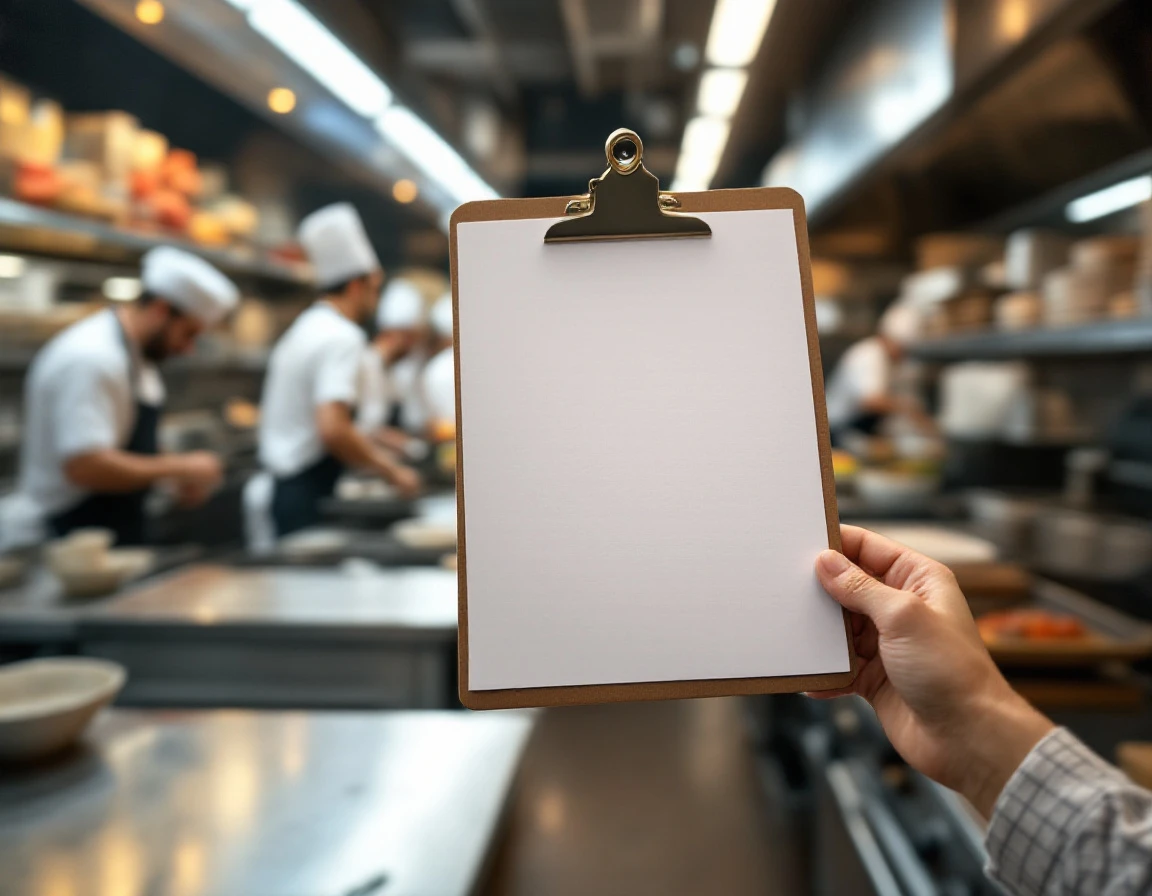
Keep the marking system simple — yes/no or a frequency tally — so you can use it on paper clipped to your apron or on a mobile device without pulling your eyes off the floor. The checklist exists to enable observation. Not replace it. You're still watching, listening, and coaching; the framework just makes sure you don't miss the details that turn a rushed shift into a learning opportunity.
Prioritizing Coaching Moments During Service Rush
Not every observation gap requires immediate feedback. The manager watching a lunch rush needs a triage framework: which moments demand real-time intervention, and which can wait until the shift quiets? Safety and compliance issues come first. A cashier about to give incorrect change or handle allergen prep without gloves needs a whispered correction right now — waiting risks a concrete mistake. The same applies when a teamwork breakdown threatens service flow, like two employees blocking the line during a handoff.
Skill refinements, by contrast, often wait. A greeter whose welcome sounds flat instead of warm can improve after the rush, when she has the mental space to process the feedback. During peak flow, managers use their checklist to mark the issue — a quick tick or note — then decide delivery method. Some coaching happens as a brief sidebar between orders; other observations go into the log for a five-minute team debrief once the line clears.
Timing and tone matter. Feedback should be specific, brief, and delivered when the employee can absorb it without losing rhythm.
Delivering Real-Time Feedback Without Slowing
The best coaching happens in seconds, not minutes. When a manager notices an employee execute a checklist skill—strong upsell language, proper sanitation protocol, smooth conflict de-escalation—the moment to reinforce it is right then, not during an end-of-shift huddle when the context has faded. Micro-coaching means pulling the employee aside for ten seconds to say "Noticed how you suggested the combo upgrade to that customer—exactly like we trained," then releasing them back to service. Brief, specific, tied to a known skill. No lecture, no interruption to flow.
Contrast that with vague praise ("Good job today!") or generic instruction that takes two minutes and leaves the employee confused about what they did right. The checklist primes the manager to spot the behavior and name it precisely. Without that structure, feedback drifts into opinion or feels arbitrary.
The structure is simple: observe and mark the checklist, deliver the feedback in two to three words ("Great portion control there"), confirm understanding with a quick nod, and move on. The entire exchange takes under thirty seconds and turns the manager into a real-time coach instead of a firefighter chasing problems.
Turning Observations Into Measurable Skill Growth Through On-Shift Coaching
One observation tells you how someone performed in a single moment. Three observations over two weeks reveal whether they're improving, stuck, or sliding backward. Tracking the same checklist behaviors across multiple shifts moves coaching from guesswork to evidence—you're no longer relying on memory or impressions when you sit down for a performance conversation.
A new cashier might struggle with order accuracy during their first week, then show improvement in week two, and handle it competently by week three. That upward trend isn't just encouraging—it's proof the employee is absorbing feedback and ready for the next challenge. When a manager can say, "I've noticed you've nailed accuracy the last two shifts—ready to focus on speed?" the conversation shifts from correction to development. The employee sees their own progress, and the manager has a clear signal about when to introduce advanced responsibilities.
Simple frequency marks on a printed checklist—tallies for each behavior observed over a shift—become the foundation for post-rush debriefs. Instead of vague praise ("You did great today"), a manager can offer specific reinforcement ("Your greeting consistency went from three out of ten customers to nine out of ten this week"). Patterns emerge quickly: an employee who struggles with multitasking during the dinner rush but excels during slower periods needs different support than someone whose performance stays flat regardless of volume. Structured observation turns one-off coaching into systematic skill reinforcement. With data that supports both celebration and targeted intervention.

Implementing Checklists Into Busy Shift Operations
The cleanest path to observation-based coaching starts narrow: pick one role or one service station where skill gaps show up most often during peak hours. A manager rolling out manager observation checklists for employee coaching in October might begin with cashiers or line cooks—roles where real-time feedback during service rush creates immediate service improvements and sets the foundation for November and December rush readiness.
Once you've chosen the role, customize the checklist template to match what actually matters during service. If you're observing drive-through order accuracy, your checklist should include order confirmation, upsell attempts, and payment handling—not generic customer service platitudes. Run a dry run over two or three shifts to test whether the checklist items are observable in under 30 seconds and whether they guide your attention to coachable moments rather than distracting from them.
Managers often worry that pausing to observe means missing service problems elsewhere. The opposite is true: a structured checklist tells you exactly what to look for, so you spend less time wondering whether someone's doing fine and more time coaching the behaviors that matter. Digital tools—mobile apps or simple spreadsheets—cut friction compared to paper clipboards, but the tool should never replace your on-floor presence.
Here's a 30-day October timeline: Week 1, select the role and customize the checklist. Week 2, run dry-run observations and refine unclear items. Weeks 3–4, deploy systematically across shifts, coaching in real time and tracking progress. By November, your team enters peak season with managers who've practiced observation coaching and employees who've received repeated, specific skill reinforcement.